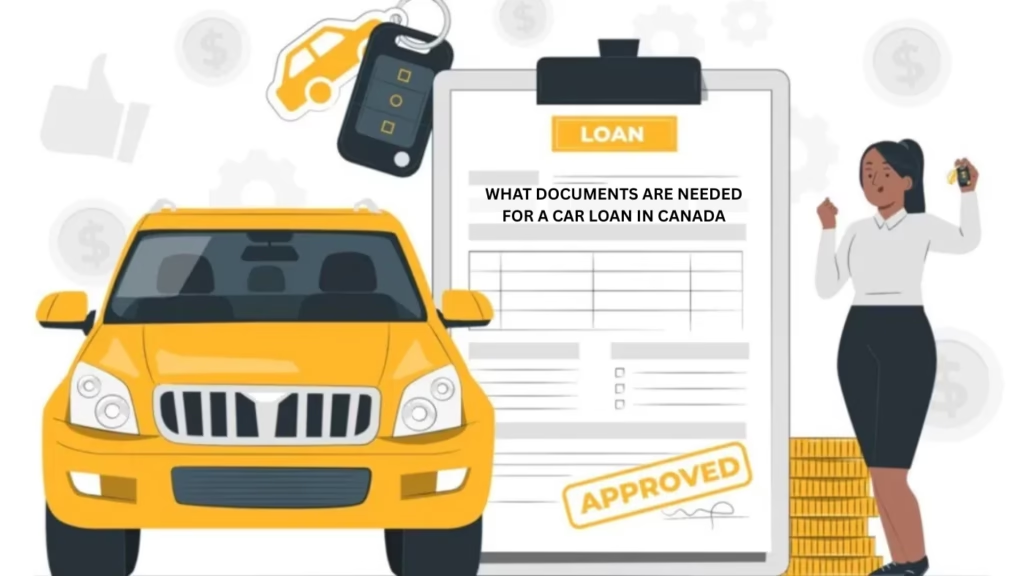
what documents are needed for a car loan in Canada, Securing a car loan in Canada can be a straightforward process if you have the right documentation ready. Understanding what documents are needed for a car loan in Canada is critical to ensuring a smooth application process and increasing your chances of approval. Whether you’re purchasing your first vehicle or upgrading to a new model, being prepared with the necessary paperwork can save time and reduce stress.
This guide provides a detailed overview of the required documents, drawing insights from authoritative sources like government and bank websites, and offers practical advice to help you navigate the process. For a streamlined application experience, resources like Quick Approvals can assist in connecting you with lenders who suit your needs.
Understanding the Car Loan Document Checklist Canada
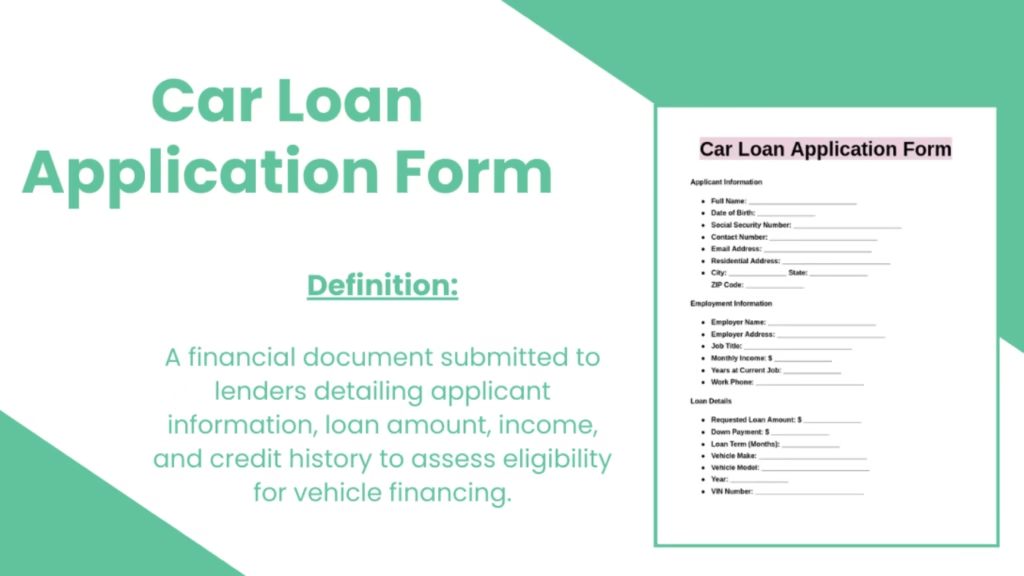
what documents are needed for a car loan in Canada, Having a car loan document checklist Canada is essential to avoid delays during the loan application process. Lenders in Canada typically require a set of standard documents to verify your identity, financial stability, and ability to repay the loan. Below is a comprehensive list of commonly requested documents, ensuring you’re fully prepared:
- Proof of Identity: A valid government-issued ID, such as a driver’s license or passport, is mandatory. This confirms your legal identity and eligibility to enter a loan agreement.
- Proof of Income: Lenders need evidence of your income to assess your repayment capacity. This typically includes recent pay stubs, tax returns (e.g., T4 slips), or a letter from your employer.
- Proof of Residence: Utility bills, lease agreements, or bank statements showing your current address are often required to confirm your residency in Canada.
- Credit Information: While not a physical document, lenders will check your credit score and history. You may need to provide consent for a credit check or submit a recent credit report.
- Vehicle Information: If you’ve selected a vehicle, you’ll need details like the Vehicle Identification Number (VIN), purchase agreement, or bill of sale from the dealership.
- Bank Statements: Recent statements (typically from the last 3-6 months) help lenders verify your financial stability and spending habits.
- Insurance Details: Proof of auto insurance is often required before finalizing the loan, as it protects both you and the lender.
This car loan document checklist Canada ensures you meet the basic requirements set by most lenders. Preparing these documents in advance can expedite the approval process. For additional guidance, the Government of Canada’s Financial Consumer Agency provides valuable insights into vehicle financing requirements.
Key Requirements for Getting a Car Loan in Canada
The requirements for getting a car loan in Canada extend beyond just documentation. Lenders evaluate several factors to determine your eligibility, including your credit score, income stability, and debt-to-income ratio. Below, we break down the key requirements and how to meet them:
Credit Score and History
A good credit score (typically 660 or higher) increases your chances of securing favorable loan terms. Lenders assess your credit history to gauge your reliability as a borrower. If your credit score is lower, you may still qualify for a loan but could face higher interest rates. Regularly checking your credit report through services like Equifax or TransUnion can help you address any discrepancies before applying.
Income and Employment Stability
Lenders prioritize applicants with stable, verifiable income. Full-time employment for at least six months, consistent self-employment income, or other reliable income sources (e.g., pensions) strengthen your application. Providing proof of income for car loan Canada through pay stubs or tax documents is critical to demonstrating your ability to repay.
Debt-to-Income Ratio
Your debt-to-income (DTI) ratio measures how much of your income goes toward debt payments. A DTI below 40% is generally preferred, as it indicates you have sufficient income to manage loan repayments alongside other obligations. Reviewing your finances and reducing existing debt can improve your DTI.
Down Payment
While not always mandatory, a down payment (typically 10-20% of the vehicle’s price) can lower your loan amount and improve approval odds. It also demonstrates financial discipline to lenders.
Meeting these requirements for getting a car loan in Canada positions you as a strong candidate. For personalized loan options, Quick Approvals can connect you with lenders tailored to your financial profile.
Proof of Income for Car Loan Canada: Why It Matters
Proof of income for car loan Canada is one of the most critical components of your application. Lenders use this information to assess your ability to make monthly payments without financial strain. Common forms of income verification include:
- Pay Stubs: Recent pay stubs (covering 1-3 months) provide a clear picture of your earnings.
- Tax Returns: T1 General forms or Notices of Assessment from the Canada Revenue Agency (CRA) are often requested, especially for self-employed individuals.
- Employment Letter: A letter from your employer confirming your job title, salary, and employment duration can supplement pay stubs.
- Bank Statements: For non-traditional income sources (e.g., freelance work), bank statements showing regular deposits can serve as proof.
For self-employed applicants, providing proof of income for car loan Canada can be more complex. Lenders may request additional documentation, such as business financial statements or contracts, to verify income stability. Preparing these documents in advance can prevent delays. The Canada Revenue Agency offers resources for accessing tax documents, which can streamline this process.
Addressing Car Loan Documents for Bad Credit Canada
If you have a low credit score, securing a car loan is still possible, but you may need to provide additional car loan documents for bad credit Canada. Lenders offering loans to those with poor credit often require extra assurance of repayment ability. Key documents include:
- Higher Down Payment Proof: A larger down payment (e.g., 20-30%) reduces the lender’s risk.
- Additional Income Documentation: Providing multiple income sources (e.g., side gigs, rental income) can strengthen your application.
- Co-Signer Information: A co-signer with good credit can improve approval odds. You’ll need their ID, proof of income, and credit details.
- References: Some lenders may request personal or professional references to verify your reliability.
While bad credit loans may come with higher interest rates, shopping around for lenders through platforms like Quick Approvals can help you find competitive options tailored to your situation.
What Identification Is Needed for Car Loan in Canada
What identification is needed for car loan in Canada is a common question for first-time borrowers. Lenders require government-issued ID to verify your identity and prevent fraud. Acceptable forms include:
- Driver’s License: Preferred by most lenders, as it also confirms your ability to drive the vehicle.
- Passport: A valid Canadian passport is widely accepted.
- Permanent Resident Card: For non-citizens, this confirms legal residency in Canada.
- Other Government IDs: In some cases, a health card or Social Insurance Number (SIN) card may be accepted, though not all lenders allow this.
Ensuring your ID is valid and up-to-date is crucial. If your ID is nearing expiration, renew it before applying to avoid complications.
How to Prepare Documents for Car Loan Application Canada
Knowing how to prepare documents for car loan application Canada can make the process more efficient. Here are actionable steps to ensure your documents are ready:
- Gather Documents Early: Collect all required documents (ID, income proof, etc.) before contacting lenders to avoid last-minute scrambling.
- Verify Document Accuracy: Ensure names, addresses, and other details match across all documents to prevent discrepancies.
- Organize Digitally and Physically: Keep both digital scans and physical copies of documents for easy submission, as some lenders may require one or the other.
- Check Credit Report: Obtain a free credit report from Equifax or TransUnion to review your credit history and address any errors.
- Confirm Vehicle Details: If you’ve chosen a vehicle, have the purchase agreement or VIN ready to provide to the lender.
By following these steps, you can streamline your application and demonstrate preparedness to lenders.
What Do Banks Ask for Car Loans in Canada

When applying for a loan, understanding what do banks ask for car loans in Canada can help you anticipate their requirements. Major Canadian banks, such as RBC, TD, and Scotiabank, typically follow similar processes, requesting:
- Personal Information: Full name, address, date of birth, and contact details.
- Financial Details: Income, employment history, and existing debts to assess your financial health.
- Vehicle Information: Details about the car, including make, model, and purchase price, to determine the loan amount.
- Insurance Proof: Confirmation of auto insurance to protect the financed vehicle.
- Credit Consent: Authorization to pull your credit report for evaluation.
Some banks may also request additional documents for specific cases, such as proof of residency for recent immigrants or extra income verification for self-employed applicants. Reviewing bank-specific requirements on their official websites can provide clarity.
Q&A: Common Questions About Documents Required for Car Loan in Canada
Q1: What documents are needed for a car loan in Canada if I’m self-employed?
Self-employed individuals need to provide proof of income for car loan Canada through tax returns (e.g., T1 General or Notice of Assessment), business financial statements, or bank statements showing consistent deposits. A letter from a CPA or contracts with clients can further strengthen your application. For detailed guidance, the Canada Revenue Agency offers resources for accessing tax documents.
Q2: How can I prepare car loan document checklist Canada for faster approval?

To create a car loan document checklist Canada, gather your ID, proof of income, bank statements, and vehicle details in advance. Organize digital and physical copies, verify accuracy, and check your credit report for errors. Platforms like Quick Approvals can connect you with lenders who prioritize quick processing.
Q3: What are the requirements for getting a car loan in Canada with bad credit?
For car loan documents for bad credit Canada, provide a higher down payment, additional income proof, or a co-signer’s documents. Lenders may also request references or proof of stable employment. Bad credit loans often have higher interest rates, so compare options carefully.
Q4: What identification is needed for car loan in Canada if I don’t have a driver’s license?
If you lack a driver’s license, a valid Canadian passport or permanent resident card is typically accepted. Some lenders may allow other government-issued IDs, but confirm with the lender beforehand to ensure compliance.
Q5: What do banks ask for car loans in Canada for first-time buyers?
First-time buyers need to provide what documents are needed for a car loan in Canada, including ID, proof of income, bank statements, and vehicle details. A strong credit score and down payment can improve approval odds. Banks like TD or RBC often outline specific requirements on their websites.
Conclusion
Navigating the car loan application process in Canada requires careful preparation, particularly when it comes to what documents are needed for a car loan in Canada. From proof of identity and income to vehicle details and credit information, having the right documents ready can significantly streamline your application. By addressing key requirements like income stability and creditworthiness, and preparing for scenarios like bad credit, you can increase your chances of securing favorable loan terms. For further insights, explore authoritative resources like the Government of Canada’s Financial Consumer Agency. To find lenders that match your needs, consider visiting Quick Approvals for personalized assistance. With the right preparation, you’ll be on the road in no time.