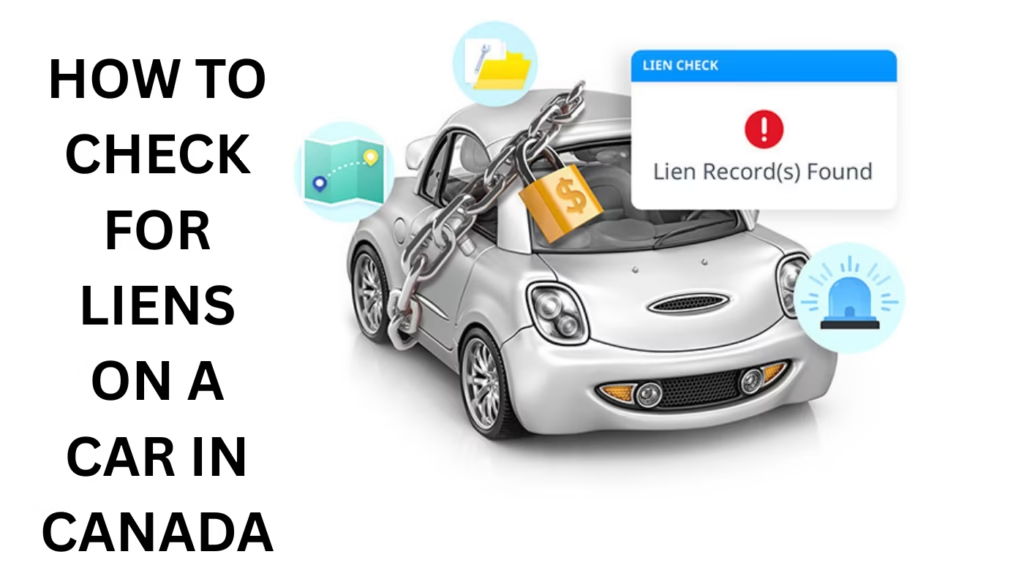
How To Check For Liens On A Car In Canada, Buying a used car in Canada can be an exciting but cautious process, especially when ensuring the vehicle is free of financial encumbrances. how to check for liens on a car in Canada is a critical step to protect yourself from inheriting someone else’s debt. A lien is a legal claim against a vehicle, typically placed by a creditor or lender when the car is used as collateral for a loan. If a lien exists, the vehicle cannot be legally transferred until the debt is cleared.
This guide provides a detailed roadmap for verifying a car’s lien status, drawing on authoritative resources like government and bank websites in Canada. For reliable assistance, visit Quick Approvals to explore tools and services tailored to Canadian car buyers.
Understanding What Is a Car Lien and How to Check It in Canada
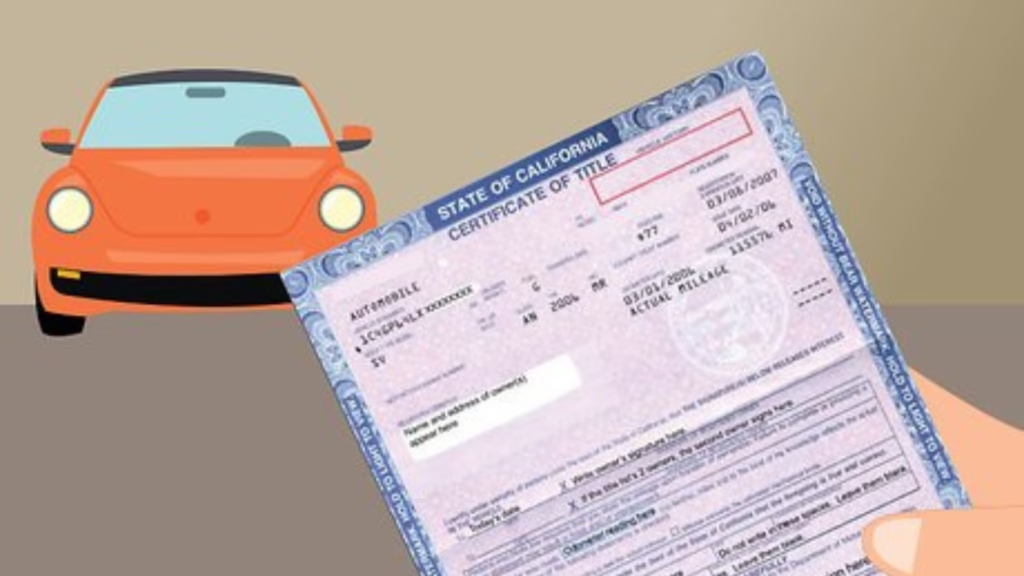
how to check for liens on a car in Canada, What Is a Car Lien and How to Check It in Canada, A car lien is a legal right granted to a lender or creditor, allowing them to claim the vehicle if the owner fails to repay a loan. Liens are registered through provincial systems in Canada, such as the Personal Property Security Act (PPSA), which governs how liens are recorded and searched. Understanding the basics of liens is essential before diving into the verification process.
- Types of Liens: Common liens include those from banks, credit unions, or private lenders for auto loans, as well as mechanic’s liens for unpaid repairs.
- Why It Matters: Purchasing a car with an outstanding lien could make you responsible for the debt, or the vehicle could be repossessed.
- Provincial Variations: Each province has its own registry system, which affects how to check for liens on a car in Canada.
What Is a Car Lien and How to Check It in Canada, For a deeper understanding, refer to authoritative sources like the Government of Canada’s business services, which outline regulations around personal property security.
Steps to Search Vehicle Liens in Canada
Steps to Search Vehicle Liens in Canada, Checking for liens involves accessing provincial registries or third-party services to confirm a vehicle’s status. Below is a step-by-step guide to ensure you cover all bases.
- Obtain the Vehicle Identification Number (VIN): The VIN is a unique 17-digit code found on the car’s dashboard, driver’s side door, or ownership documents. This is essential for any lien search.
- Access Provincial PPSA Registries: Each province maintains a Personal Property Security Registry (PPSR) where liens are recorded. For example:
- Ontario: Use the ServiceOntario website.
- British Columbia: Access the BC Registries and Online Services.
- Alberta: Visit an Alberta Registry Agent.
- Request a Lien Search Report: Submit the VIN to the registry or a third-party service. You may need to pay a small fee (typically $10-$30, depending on the province).
- Review the Report: The report will indicate if any liens are registered against the vehicle, including the creditor’s details and outstanding amounts.
- Verify with the Seller: If a lien is found, confirm with the seller whether it has been cleared, and request documentation proving the debt is settled.
Steps to Search Vehicle Liens in Canada, For streamlined searches, platforms like Quick Approvals can guide you to trusted resources or services for lien checks.
How to Find If a Used Car Has Liens in Ontario
How to Find If a Used Car Has Liens in Ontario, Ontario, Canada’s most populous province, has a robust system for lien searches through ServiceOntario. Here’s how to navigate it:
- Visit ServiceOntario: Access their online portal or visit a ServiceOntario centre.
- Order a Used Vehicle Information Package (UVIP): The UVIP includes a lien search and costs about $20. It provides details on the vehicle’s history, including liens and ownership records.
- Check the PPSR: Ontario’s Personal Property Security Registry allows direct lien searches using the VIN.
How to Find If a Used Car Has Liens in Ontario, Ontario’s system is user-friendly, but processing times may vary. Always ensure the UVIP is recent to avoid outdated information. For additional insights, check resources from Canadian banks like TD Canada Trust, which offer advice on vehicle financing and lien considerations.
Exploring Free Vehicle Lien Search in Canada
Free Vehicle Lien Search in Canada, While most lien searches incur a fee, some options allow you to check for liens at minimal or no cost:
- Free Preliminary Checks: Some provinces offer basic VIN checks through government portals, though they may not include full lien details.
- Third-Party Databases: Services like CARFAX Canada may provide lien information as part of a vehicle history report, though these often come with a cost.
- Dealership Assistance: Reputable dealers may include lien checks in their sales process, especially for certified pre-owned vehicles.
Free Vehicle Lien Search in Canada, Be cautious with “free” services, as they may not be comprehensive. For reliable results, consider paid searches through provincial registries or trusted platforms like Quick Approvals.
Using PPSA Lien Search for Vehicles in Canada
The Personal Property Security Act (PPSA) is the backbone of lien registration in Canada. Each province operates its own PPSA registry, making it a critical resource for lien searches.
| Province | PPSA Access Point | Typical Cost |
|---|---|---|
| Ontario | ServiceOntario | $10-$20 |
| British Columbia | BC Registries | $10-$15 |
| Alberta | Registry Agents | $15-$25 |
| Quebec | RDPRM | $9-$20 |
The PPSA search process requires the VIN and sometimes the seller’s name to ensure accuracy. Results typically include the lienholder’s details and the registration date. For complex cases, consulting a professional service via Quick Approvals can simplify the process.
How to Verify No Liens on a Car Before Buying in Canada
Before finalizing a used car purchase, verifying a lien-free status is non-negotiable. Here’s a detailed checklist:
- Request Documentation: Ask the seller for a lien discharge letter or proof of loan repayment if a lien was previously registered.
- Cross-Check with PPSA: Even if the seller provides documentation, independently verify through the provincial registry.
- Use Vehicle History Reports: Services like CARFAX or AutoCheck can flag liens, though they may not cover all provinces comprehensively.
- Consult a Lawyer: For high-value vehicles, a legal professional can ensure all paperwork is in order.
This step protects you from financial risks and ensures a smooth ownership transfer.
Evaluating Online Car Lien Check Services in Canada
Online services have made lien checks more accessible. These platforms aggregate data from PPSA registries and vehicle history databases, offering convenience for buyers. Popular options include:
- CARFAX Canada: Provides comprehensive vehicle history reports, including lien status.
- VIN Verify: Offers quick lien checks for a fee, often faster than government portals.
While convenient, ensure these services are reputable and cross-reference results with provincial registries for accuracy.
Understanding the Cost of Checking Car Liens in British Columbia
In British Columbia, lien searches are conducted through BC Registries and Online Services. The cost typically ranges from $10 to $15 for a standard search, with expedited options slightly higher. Factors affecting cost include:
- Search Type: Basic vs. detailed reports.
- Access Method: Online searches are cheaper than in-person requests at registry offices.
Always request a recent report to ensure the information is current.
A Guide to Avoiding Cars with Liens in Canada
Avoiding lien issues requires diligence and proactive steps:
- Buy from Reputable Sellers: Dealerships or certified sellers are less likely to sell lien-encumbered vehicles.
- Insist on Transparency: Request all ownership and lien-related documents upfront.
- Use Escrow Services: For private sales, an escrow service can hold funds until the lien status is confirmed.
By following these steps, you minimize the risk of purchasing a problematic vehicle.
How Do I Perform a Lien Search on a Vehicle in Alberta
In Alberta, lien searches are handled through licensed registry agents. The process involves:
- Visit a Registry Agent: Provide the VIN and pay a fee (typically $15-$25).
- Receive a Search Report: The report details any registered liens or security interests.
- Verify Independently: Cross-check with the seller’s documentation to ensure consistency.
Alberta’s system is efficient, but in-person visits may be required for some searches.
Exploring the Best Ways to Check for Outstanding Car Liens in Canada
Combining multiple methods ensures the most reliable results:
- Provincial Registries: The most authoritative source for lien information.
- Vehicle History Reports: Useful for a broader view of the car’s past.
- Professional Services: Third-party providers can streamline the process for a fee.
For a one-stop resource, Quick Approvals offers guidance on accessing these tools efficiently.
Q&A: Common Questions About How to Check for Liens on a Car in Canada
1. What does it mean if a car has a lien in Canada?
A lien indicates that a creditor has a legal claim on the vehicle due to an unpaid debt, such as an auto loan or repair bill. Checking the PPSA lien search for vehicles in Canada through provincial registries can confirm this status. If a lien exists, the vehicle cannot be legally transferred until the debt is cleared.
2. How can I perform a free vehicle lien search in Canada?
While fully free searches are limited, some provinces offer basic VIN checks through government portals. For comprehensive results, a paid search via the PPSA registry or services like CARFAX Canada is recommended. Always verify results with authoritative sources like Government of Canada.
3. How do I ensure there are no liens on a car before buying in Canada?
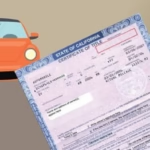
Request a lien search report from the provincial PPSA registry using the VIN, and cross-check with a vehicle history report. Ask the seller for a lien discharge letter if applicable. Consulting platforms like online car lien check services in Canada can simplify this process.
4. What is the cost of checking car liens in British Columbia?
In British Columbia, a lien search through BC Registries typically costs $10-$15. Costs may vary based on whether you use an online portal or visit a registry office. Always ensure the report is recent for accuracy.
5. How can I follow a guide to avoiding cars with liens in Canada?
Buy from reputable dealers, request a Used Vehicle Information Package (UVIP) in provinces like Ontario, and verify lien status through the PPSA. Using escrow services for private sales and consulting trusted platforms can further reduce risks.
6. How do I check for liens in Alberta specifically?
For a how do I perform a lien search on a vehicle in Alberta, visit a licensed registry agent with the VIN. The cost is typically $15-$25, and the report will detail any registered liens. Cross-check with seller documentation for peace of mind.
Conclusion
Navigating the process of how to check for liens on a car in Canada is essential for any used car buyer to avoid financial pitfalls. By leveraging provincial PPSA registries, vehicle history reports, and trusted services, you can ensure a lien-free purchase. Whether you’re in Ontario, British Columbia, Alberta, or elsewhere, following the steps outlined—such as obtaining a UVIP, verifying with the PPSA, or using online tools—provides peace of mind. For further guidance, explore authoritative resources like the Government of Canada’s business services or consult Quick Approvals for tailored support. Take the time to verify lien status and drive away confidently.