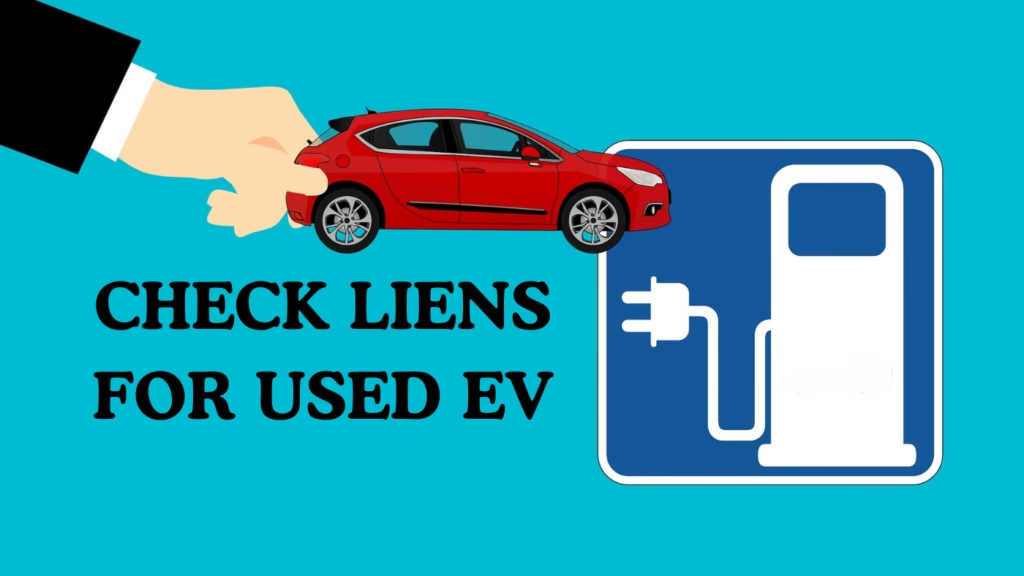
check liens for used EV, Buying a used electric vehicle (EV) in Canada represents an exciting opportunity to embrace sustainable transportation while potentially saving significant money compared to purchasing new. However, one critical step that cannot be overlooked is to check liens for used EV. A lien is a legal claim on the vehicle, typically from a lender, indicating that the previous owner still owes money on it.
If a lien exists and is not cleared, the new buyer risks inheriting the debt or even having the vehicle repossessed. This guide provides an in-depth look at why this process is essential, how to perform it effectively, and additional considerations specific to used EVs in the Canadian market.
As the used EV market continues to expand—with increasing numbers of off-lease vehicles entering the secondary market—understanding lien checks becomes even more vital for informed decision-making. check liens for used EV
Why Check Liens for Used EV Purchases in Canada?
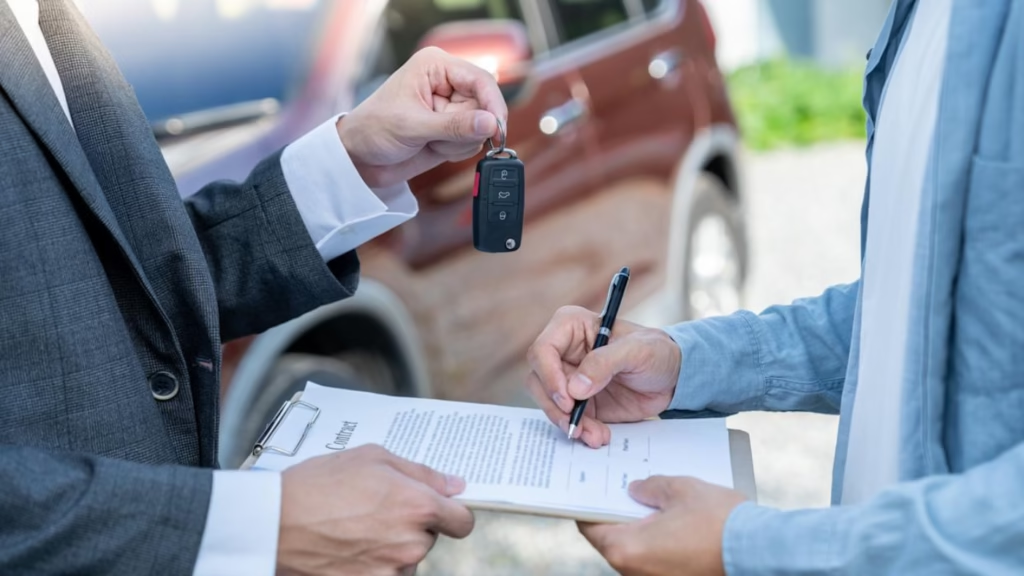
check liens for used EV, When purchasing any used vehicle, including electric ones, liens pose a substantial risk. In Canada, liens are registered under provincial Personal Property Security Registration (PPSR) systems, allowing lenders to secure their interests in the vehicle until the loan is repaid.
For EVs, which often carry higher initial purchase prices due to battery technology, financing is common, leading to a higher likelihood of outstanding liens on used models.
- Financial Protection: If you buy a vehicle with an active lien, you could become responsible for the remaining debt. The lender has the right to repossess the EV, leaving you without the vehicle and potentially out of pocket.
- Registration Issues: Most provinces require a clear title (no liens) before allowing ownership transfer and registration in your name.
- Peace of Mind: Especially with the growing used EV inventory from early adopters trading up, ensuring no hidden claims exist prevents costly surprises.
According to government resources, private sellers in some provinces must disclose liens, but it’s always the buyer’s responsibility to verify independently.
Understanding Liens on Vehicles in Canada
A lien on a vehicle arises when it’s used as collateral for a loan or when unpaid repairs/storage create a mechanic’s lien. For used EVs, the most common type is a financing lien from banks or credit institutions.
Key points about liens:
- Liens remain attached to the vehicle, not the owner, until discharged.
- Multiple liens can exist on one vehicle.
- Dealerships are legally required to sell used vehicles lien-free, but private sales carry higher risks.
In the context of carfax canada lien check used vehicle, comprehensive reports often include nationwide lien data, making them a popular choice for buyers.
How to Perform a Check for Outstanding Liens Used Electric Car Canada
The process varies by province, but generally involves searching provincial registries using the Vehicle Identification Number (VIN). Here’s a step-by-step overview: Check for Outstanding Liens Used Electric Car Canada
- Get the VIN from the seller—it’s essential for any search.
- Decide on the method: Provincial PPSR search, Used Vehicle Information Package (UVIP in Ontario), or a third-party vehicle history report.
- Perform the search and review results for any registered liens.
- If a lien exists, require the seller to discharge it before proceeding.
For cross-province coverage, services that aggregate data from multiple registries are recommended, as a vehicle may have liens in provinces where it was previously registered.
Provincial Guide to PPSR Lien Check Used Car in Canada
Canada’s lien registration is provincial, with each jurisdiction maintaining its own Personal Property Security Registry (PPSR or equivalent). PPSR Lien Check Used Car
| Province/Territory | Registry Name | How to Search | Cost (Approximate) |
|---|---|---|---|
| Ontario | Personal Property Security Registration (PPSR) | Online via ServiceOntario Access Now | $20–$30 per search |
| British Columbia | Personal Property Registry (PPR) | Online through BC Registries | Varies, often $10–$20 |
| Alberta | Personal Property Registry | Online searches available | Around $10–$25 |
| Quebec | Registre des droits personnels et réels mobiliers (RDPRM) | Online via government portal | Fees apply |
| Other Provinces | Various PPSR systems | Provincial websites | Typically low-cost |
For a nationwide view, many buyers opt for vehicle history reports that include lien checks across provinces. PPSR Lien Check Used Car
Using Carfax Canada Lien Check Used Vehicle for EVs
carfax canada lien check used vehicle, One of the most convenient methods is obtaining a vehicle history report with an included lien check. These reports search records in all provinces and territories (except Northwest Territories) where the vehicle has been registered.
- Provides lien details, including lender information if applicable.
- Also reveals accident history, recalls, and registration details—extra valuable for EVs with potential battery-related recalls.
- Recommended for private sales, where risks are higher.
Similar services like VinAudit Canada offer comparable nationwide coverage. carfax canada lien check used vehicle
Step-by-Step: How Do I Check If a Used EV Has a Lien Canada
Follow this practical process:
- Request the VIN and inspect the vehicle in person.
- Ask the seller directly about any outstanding loans.
- Run a provincial PPSR search in the current and any known previous provinces.
- Order a comprehensive vehicle history report with lien check for full coverage.
- If a lien appears, coordinate with the seller to pay it off—often at their bank using your funds via bank draft.
- Obtain a discharge confirmation or updated report showing the lien removed.
- Proceed to transfer ownership only after confirmation.
In cases of used ev lien search canada with vin, the VIN is your key tool.
Handling a Lien Discovery: How to Avoid Liens When Buying Used EV Canada
If a lien is found:
- Do not proceed without clearance.
- Meet at the lender’s bank: Provide a bank draft payable to the lender for the payoff amount.
- Get written confirmation of payoff and lien discharge.
- Allow time (up to several weeks in some cases) for the registry to update.
This approach minimizes risk and ensures smooth transfer.
Learn more about risks associated with car liens from the Financial Consumer Agency of Canada.
EV-Specific Considerations When Checking Liens
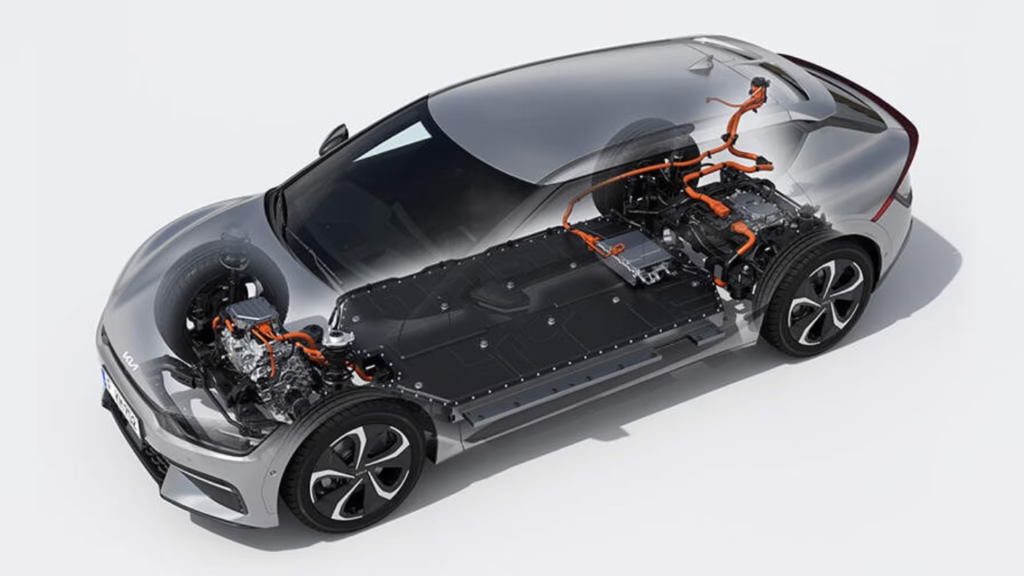
Beyond liens, used EVs require attention to battery health and warranties.
- Battery degradation: Expect 2-3% capacity loss per year; check state of health (SOH) via onboard diagnostics or dealer tools.
- Warranties: Most manufacturers offer 8-year/160,000 km battery coverage—verify if transferable.
- Recalls: EVs like certain Chevy Bolt models have had battery-related recalls.
- Range and charging: Test real-world range, especially in Canadian winters.
Combining a lien check with a pre-purchase inspection focused on the battery is ideal.
Common Risks Beyond Liens in Used EV Purchases

While liens are a primary financial risk, other concerns include:
- Battery replacement costs (potentially $10,000+).
- Hidden accident damage affecting electronics.
- Odometer discrepancies or imported U.S. vehicles with undisclosed issues.
- Lack of remaining incentives on used models.
A thorough history report helps mitigate these.
The Growing Used EV Market in Canada
As of early 2026, Canada’s used EV market is expanding rapidly. With federal zero-emission vehicle mandates pushing new sales, off-lease EVs from early programs are flooding the secondary market. Provinces like British Columbia and Quebec lead in adoption, offering more choices.
Benefits of used EVs:
- Significant depreciation savings.
- Lower operating costs (electricity vs. gas).
- Environmental advantages.
However, always prioritize a clean title through proper lien checks.
Additional Tips for Check for Outstanding Liens Used Electric Car Canada
- Buy from dealerships when possible—liens must be cleared by law.
- Get everything in writing, including lien-free assurances.
- Consider professional inspections for EV-specific components.
- Budget for potential home charging installation.
For financing options on used vehicles, resources like quickapprovals.ca can assist with approvals.
Q&A: Common Questions on Check Liens for Used EV
How to check for liens on used car Canada?
To check for liens on a used car in Canada, use the VIN to search provincial PPSR registries or obtain a vehicle history report with nationwide lien coverage. Start with the province of current registration, but cross-province searches are recommended for complete accuracy.
How do I check if a used EV has a lien Canada?

Obtain the VIN and run a comprehensive vehicle history report that includes lien checks across provinces. Alternatively, perform individual provincial searches via government portals. Always verify before payment.
What is a lien on used EV Canada?
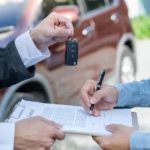
A lien on a used EV in Canada is a legal claim, usually from a lender, securing unpaid debt against the vehicle. It must be discharged before full ownership transfer. See government details on car liens for more.
How to avoid liens when buying used EV Canada?
Avoid liens by always running a lien check before purchase, buying from reputable dealerships, requiring written lien-free confirmation, and coordinating payoff at the lender’s branch if a lien exists.
Is there a lien on this used electric car Canada?
The only way to confirm is through a VIN-based lien search via provincial registries or a national vehicle history report. Never rely solely on the seller’s word.
Carfax lien check for used electric vehicle Canada?
Yes, reports with lien checks search records across most Canadian provinces, providing details on any outstanding liens, lender info, and discharge status where applicable.
Conclusion: Prioritizing Check Liens for Used EV
In summary, thoroughly checking for liens is non-negotiable when buying a used EV in Canada. It protects your investment in an increasingly popular and eco-friendly vehicle segment. By following provincial processes, using reliable history reports, and addressing any issues upfront, you can confidently navigate the market.
As used EV supply grows, opportunities abound—but diligence ensures you avoid pitfalls. For further financing needs or quick approvals on vehicle loans, consider exploring options at quickapprovals.ca.
Always consult authoritative sources for the latest provincial requirements and enjoy the benefits of electric driving with peace of mind.