Choosing how to finance a vehicle is one of the most important financial decisions Canadian drivers make. Whether you’re buying your first vehicle, upgrading to a new model, or replacing an aging car, understanding the difference between leasing and financing is critical for making a smart financial choice.
Many Canadians struggle with the decision between leasing and taking an auto loan. Both options allow you to drive a vehicle without paying the entire purchase price upfront, but they operate very differently in terms of ownership, costs, flexibility, and long-term value.
The debate around car lease vs loan Canada is not simply about monthly payments. It involves evaluating your driving habits, financial stability, credit profile, long-term transportation goals, and lifestyle needs.
This comprehensive guide explains everything Canadians need to know about leasing vs buying car Canada, including how each financing structure works, the real cost comparison, eligibility requirements, financing options, lender differences, and expert strategies to secure the best approval.
By the end of this guide, you will clearly understand which option—leasing or financing—makes the most financial sense for your situation.
Understanding car lease vs loan Canada
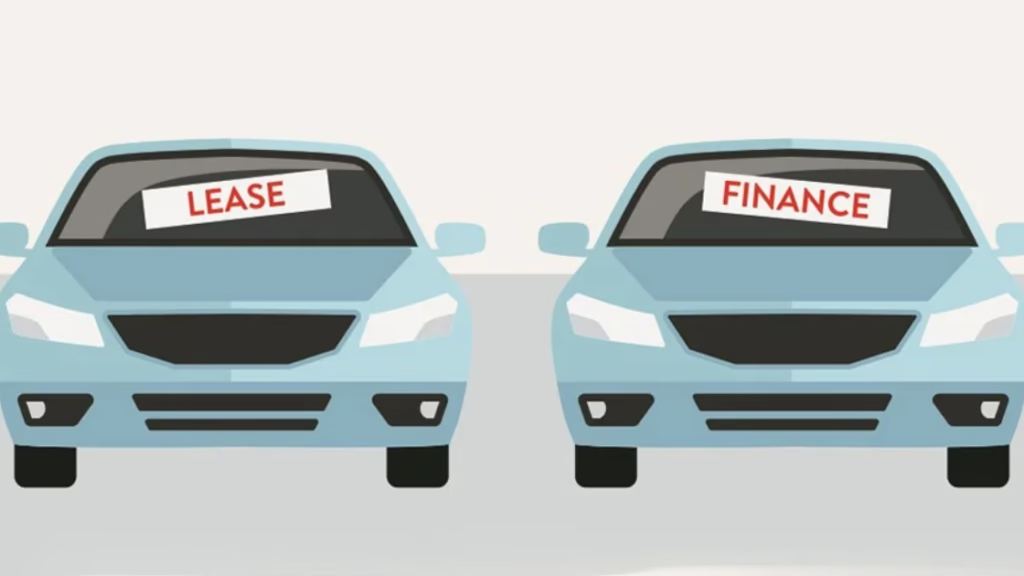
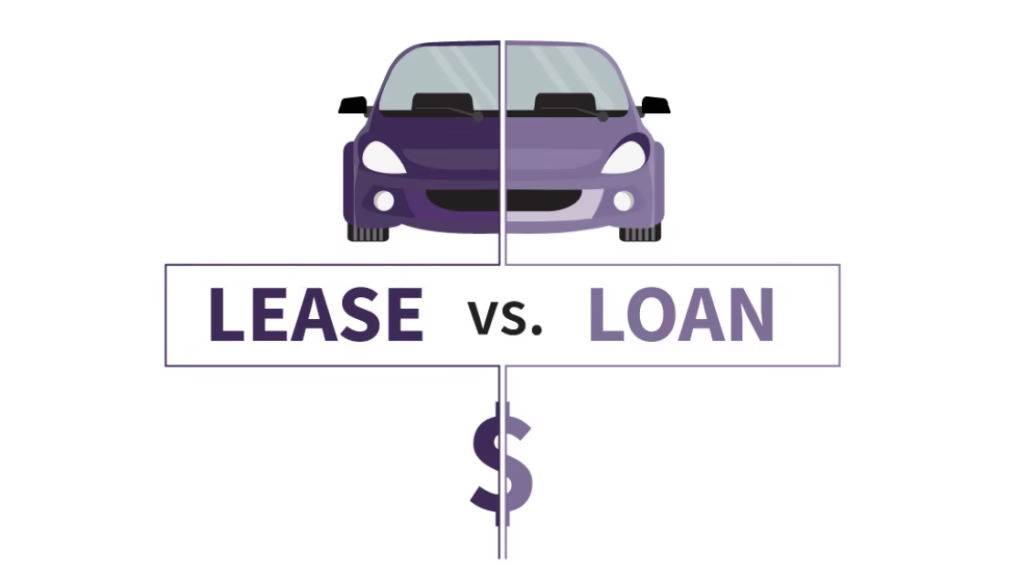
When comparing car lease vs loan Canada, the key difference is ownership versus temporary usage. An auto loan allows you to gradually purchase a vehicle through monthly payments, while a lease allows you to pay for the vehicle’s depreciation during a fixed contract period.
With a car loan, the lender provides financing for the purchase price of the vehicle. You then repay the loan through monthly installments that include principal and interest. Once the loan is fully paid off, you own the vehicle outright.
Leasing works differently. Instead of paying for the entire vehicle, you only pay for the depreciation during the lease term—usually between 24 and 48 months. At the end of the lease, you return the vehicle, renew the lease, or buy the vehicle at its residual value.
Understanding leasing vs buying car Canada is essential because the two options affect your finances, insurance requirements, vehicle usage limits, and long-term cost structure in very different ways. Leasing typically results in lower monthly payments, but financing builds ownership equity.
Canadian drivers often choose leasing when they prefer driving newer vehicles every few years, while financing is typically chosen by drivers who want long-term ownership and lower total costs over time.
How leasing vs buying car Canada Works
To understand the difference between leasing and financing, it is important to examine how payments, contracts, and ownership function under each option.
In the leasing vs buying car Canada decision, leasing involves a contract where you pay a monthly fee to use the vehicle for a predetermined number of kilometers per year. Lease agreements usually limit driving to 16,000–24,000 kilometers annually.
Monthly lease payments are calculated based on:
- Vehicle depreciation
- Lease term length
- Interest rate (money factor)
- Residual value
- Down payment or trade-in
Financing, on the other hand, involves borrowing money to purchase the vehicle. The loan amount is based on the vehicle price minus any down payment.
Loan payments include:
- Principal repayment
- Interest charges
- Loan term length (usually 36–84 months)
Unlike leasing, there are no mileage restrictions with financing. Once the loan is paid off, the vehicle becomes your personal asset.
For Canadians evaluating car lease financing options Canada, understanding these differences helps determine which financing method aligns with their financial goals.
Exploring car lease financing options Canada
Several financing structures are available when evaluating car lease financing options Canada, and each comes with unique advantages depending on the lender and vehicle type.
Most Canadian consumers access lease financing through:
Dealership Lease Programs
Vehicle manufacturers partner with financial divisions to offer leasing programs directly through dealerships. These programs often include promotional interest rates or loyalty incentives.
Bank Leasing Programs
Major Canadian banks offer vehicle leasing through dealership partnerships. Banks may provide competitive interest rates and flexible contract terms.
Non-Prime Leasing Providers
Drivers with weaker credit may qualify through specialized lenders who offer subprime leasing options. These programs typically involve higher interest rates or larger down payments.
Lease-to-Own Programs
Some lenders offer hybrid agreements that allow drivers to lease a vehicle with the option to transition into a loan later.
Understanding car lease financing options Canada helps borrowers compare multiple lenders and choose financing that aligns with their credit profile and financial capacity.
Evaluating pros cons car lease Canada
When reviewing pros cons car lease Canada, it is important to consider both short-term affordability and long-term financial impact.
Advantages of Leasing
Lower Monthly Payments
Leasing payments are typically lower than loan payments because you are only paying for depreciation.
Drive Newer Vehicles
Lease contracts allow drivers to upgrade to newer models every few years.
Warranty Coverage
Most leased vehicles remain under manufacturer warranty for the duration of the lease.
Lower Repair Costs
Newer vehicles typically require fewer repairs compared to older vehicles.
Disadvantages of Leasing
Mileage Restrictions
Lease contracts impose annual mileage limits, and exceeding them can lead to costly penalties.
No Ownership Equity
Lease payments do not build ownership. Once the lease ends, you do not own the vehicle unless you buy it.
Wear and Tear Fees
Damage beyond normal wear may result in additional charges.
Early Termination Costs
Breaking a lease early can be expensive.
Understanding the pros cons car lease Canada framework helps drivers decide whether leasing fits their financial situation and driving lifestyle.
Step-by-Step Guide to Choosing car lease vs loan Canada

Selecting between leasing and financing requires careful evaluation of several factors. This step-by-step framework simplifies the car lease vs loan Canada decision process.
Step 1: Evaluate Your Driving Habits
Drivers who travel long distances annually may prefer financing because lease mileage limits could lead to penalties.
Step 2: Assess Your Budget
Leasing usually results in lower monthly payments, while financing may have higher payments but long-term ownership value.
Step 3: Determine Ownership Goals
If long-term ownership matters, financing is generally the better option.
Step 4: Compare Total Costs
Calculate the full cost of leasing versus financing over multiple years.
Step 5: Review Financing Terms
Examine interest rates, contract terms, residual values, and penalties.
Following this structured approach ensures you make the most financially sound choice.
Eligibility Requirements for car lease financing options Canada
Qualifying for car lease financing options Canada typically requires meeting lender credit and financial criteria.
Common eligibility requirements include:
Minimum Credit Score
Most lenders prefer credit scores above 650, though some subprime lenders accept lower scores.
Stable Income
Borrowers must demonstrate reliable employment or income sources.
Proof of Residency
Valid Canadian residency documentation is required.
Valid Driver’s License
A Canadian driver’s license is mandatory for vehicle financing.
Insurance Coverage
Comprehensive insurance coverage is usually required for leased vehicles.
Meeting these requirements improves approval chances and may qualify borrowers for better financing rates.
Cost Comparison for car lease vs loan Canada
The cost difference between leasing and financing can be substantial depending on vehicle price, interest rates, and contract terms.
| Factor | Leasing | Auto Loan |
|---|---|---|
| Ownership | No ownership unless purchased | Full ownership after loan |
| Monthly Payment | Lower | Higher |
| Mileage Limits | Yes | No |
| Long-Term Cost | Higher over time | Lower after loan payoff |
| Vehicle Equity | None | Builds equity |
| Flexibility | Limited | More flexible |
Example Cost Breakdown
| Vehicle Price | $40,000 |
| Lease Payment | $450/month |
| Loan Payment | $650/month |
| Lease Term | 36 months |
| Loan Term | 72 months |
Over six years, financing often becomes cheaper because lease contracts may need to be renewed.
Understanding the real cost structure helps Canadians evaluate the leasing vs buying car Canada decision effectively.
Canadian Case Study: Real car lease vs loan Canada Decisions
Case studies illustrate how Canadian drivers approach the car lease vs loan Canada decision.
Case Study 1: Urban Professional
A Toronto professional drives approximately 12,000 km per year and prefers driving newer vehicles. Leasing allowed them to maintain lower monthly payments while upgrading vehicles every three years.
Case Study 2: Suburban Family
A family in Alberta drives over 25,000 km annually. Financing was the better option because lease mileage penalties would significantly increase costs.
Case Study 3: Budget-Focused Driver
A driver in Ontario purchased a vehicle through financing and continued driving it after the loan was paid off, saving thousands compared to continuous leasing.
These examples highlight how personal driving habits influence financing decisions.
Lender Comparison for car lease financing options Canada
Choosing the right lender can impact approval speed, interest rates, and financing flexibility.
| Lender Type | Advantages | Best For |
|---|---|---|
| Banks | Lower interest rates | Strong credit borrowers |
| Dealership Financing | Convenient approvals | New vehicle buyers |
| Credit Unions | Competitive terms | Community members |
| Auto Loan Brokers | Multiple lender access | Difficult credit situations |
Borrowers comparing car lease financing options Canada should request quotes from multiple lenders to identify the best financing solution.
Expert Strategies to Win car lease vs loan Canada Approvals

Securing the best approval for car lease vs loan Canada financing involves strategic preparation.
Improve Your Credit Score
Higher credit scores often qualify for lower interest rates.
Make a Larger Down Payment
This reduces lender risk and may lower monthly payments.
Choose a Shorter Term
Shorter terms reduce interest costs.
Compare Multiple Lenders
Rates vary significantly between lenders.
Negotiate Vehicle Price First
Always negotiate the purchase price before discussing financing options.
These strategies significantly improve approval chances and financing terms.
Mistakes to Avoid in leasing vs buying car Canada
Many borrowers make costly mistakes when comparing leasing vs buying car Canada options.
Ignoring Total Cost
Lower monthly payments do not always mean lower long-term costs.
Exceeding Mileage Limits
Lease penalties can add thousands in additional fees.
Overlooking Residual Value
Residual value impacts buyout pricing at lease end.
Signing Without Comparing Lenders
Always compare multiple financing offers.
Not Reading Lease Contracts
Lease agreements often contain complex conditions that can affect costs.
Avoiding these mistakes helps Canadians make financially responsible vehicle decisions.
Frequently Asked Questions About car lease vs loan Canada
Is leasing cheaper than financing in Canada?
Leasing usually offers lower monthly payments, but financing can be cheaper over the long term because the vehicle eventually becomes your asset.
Can you buy a leased car in Canada?

Yes. Most lease agreements include a buyout option that allows you to purchase the vehicle at its residual value.
What credit score is required to lease a car in Canada?

Most leasing programs prefer credit scores above 650, although some lenders accept lower scores with higher interest rates.
Is leasing good for business owners?
Leasing can provide tax advantages for some business owners because lease payments may be deductible depending on the business structure.
What happens at the end of a car lease?
Drivers typically have three options: return the vehicle, renew the lease with a new vehicle, or purchase the vehicle.
Can mileage limits be increased?
Some lenders allow higher mileage lease agreements, but this usually increases monthly payments.
Can you switch from leasing to financing?
Yes, many lenders allow drivers to switch from lease to loan Canada by purchasing the vehicle before the lease ends or converting it into a financing agreement.
Is leasing good for first-time buyers?
Leasing may work for first-time buyers seeking lower monthly payments, but financing often provides better long-term value.
Conclusion
Choosing between leasing and financing is a major financial decision for Canadian drivers. While leasing offers lower monthly payments and the flexibility to upgrade vehicles frequently, financing provides long-term ownership and greater financial value over time.
The car lease vs loan Canada decision ultimately depends on your budget, driving habits, credit profile, and long-term transportation goals.
Drivers who prefer lower payments and newer vehicles may benefit from leasing, while those seeking long-term savings and vehicle ownership typically benefit from financing.
Before signing any agreement, compare lenders, analyze total costs, and ensure the financing option aligns with your financial priorities.
For Canadians exploring auto loan solutions, working with experienced lenders can help secure faster approvals and better financing terms.