What Is A Lien On A Car Loan in Canada, A car loan can be an essential step toward vehicle ownership, but it often comes with complexities that buyers need to understand. One critical aspect is What Is A Lien On A Car Loan in Canada, which refers to a legal claim a lender or creditor places on a vehicle to secure repayment of a loan.
This claim ensures that if the borrower defaults, the lender can repossess the car to recover their funds. In Canada, liens are common in auto financing, and understanding their implications is vital for both new and used car buyers.
What Is A Lien On A Car Loan in Canada, This article dives deep into the concept, processes, and considerations, drawing from authoritative resources like government and bank websites to provide clarity. For tailored insights or financing options, visit Quick Approvals, a trusted resource for Canadian car buyers.
Defining What is a Lien on a Car in Canada
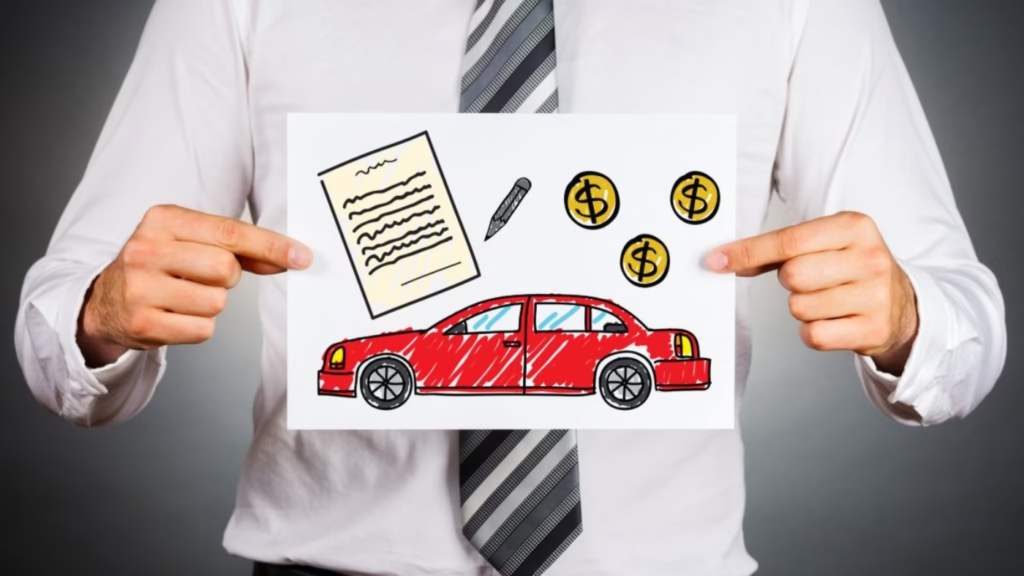
What Is A Lien On A Car Loan in Canada, In Canada, a lien on a car loan is a legal right granted to a lender, typically a bank or financial institution, to hold an interest in the vehicle until the loan is fully repaid. When you finance a car, the lender registers the lien under the Personal Property Security Act (PPSA) in your province, ensuring their claim is documented. This means you cannot sell or transfer ownership of the vehicle without addressing the lien, as it appears on the vehicle’s title or registration.
Liens protect lenders by reducing their risk, but they also affect buyers. For instance, if you’re purchasing a used car, a lien from a previous owner’s unpaid loan could complicate the transaction. Understanding this process is key to avoiding legal or financial pitfalls when buying or financing a vehicle.
How to Check for a Lien on a Car in Canada
How to Check for a Lien on a Car in Canada, Before purchasing a used car, verifying whether it has an existing lien is crucial to avoid inheriting someone else’s debt. In Canada, you can check for liens through provincial registries or services that access the PPSA database. Here’s how to do it:
- Provincial PPSA Registries: Each province maintains a Personal Property Security Registry where liens are recorded. For example, in Ontario, you can use the ServiceOntario website to search for liens by entering the vehicle’s VIN (Vehicle Identification Number).
- Vehicle History Reports: Services like CARFAX Canada or AutoCheck provide detailed reports that include lien information, accident history, and ownership details.
- Consult a Dealership or Financial Institution: Reputable dealers or lenders, like those at Quick Approvals, often assist buyers in verifying a vehicle’s lien status before finalizing a purchase.
How to Check for a Lien on a Car in Canada, Checking for a lien is a proactive step to ensure you’re not responsible for an outstanding loan. Always request the VIN and verify it through official channels to confirm the car is lien-free.
How to Remove a Lien from a Car in Canada
How to Remove a Lien from a Car in Canada, Once a car loan is fully repaid, the lien must be removed to clear the vehicle’s title. The process varies slightly by province but generally involves the following steps:
- Loan Repayment: Pay off the full loan amount, including any interest or fees, to the lender.
- Lien Release Document: The lender will provide a lien release letter or discharge document confirming the loan is paid.
- Update the PPSA Registry: Submit the release document to your provincial registry (e.g., ServiceOntario or Access Nova Scotia) to remove the lien from the vehicle’s record.
- Verify Removal: Confirm the lien is no longer listed by checking the PPSA database or obtaining an updated vehicle history report.
Failure to remove a lien can complicate future sales or transfers. If you’re unsure about the process, services like Quick Approvals can guide you through the steps or connect you with professionals who handle lien discharges.
What Does a Lien Mean on a Car Loan in Canada

What Does a Lien Mean on a Car Loan in Canada, A lien on a car loan signifies that the lender has a legal claim to the vehicle until the debt is settled. This impacts the borrower in several ways:
- Ownership Restrictions: You cannot sell the car or transfer its title without the lender’s consent until the lien is cleared.
- Risk of Repossession: If you default on payments, the lender can seize the vehicle to recover the outstanding balance.
- Impact on Insurance: Some insurers may require proof of lienholder details to include them in the policy, ensuring the lender’s interest is protected.
Understanding What Does a Lien Mean on a Car Loan in Canada helps buyers make informed decisions, especially when considering financing options or purchasing used vehicles. Always review loan agreements carefully to understand lien terms.
Understanding Car Loan Liens in Canada
Car loan liens are governed by provincial laws, primarily through the PPSA, which standardizes how liens are registered and enforced. For example, in British Columbia, the BC Personal Property Registry handles lien registrations, while Ontario uses ServiceOntario. These registries ensure transparency, allowing buyers to verify a vehicle’s lien status before purchase.
A lien doesn’t inherently restrict your ability to use the car, but it does limit your control over its title. For instance, if you want to sell the car before paying off the loan, you’ll need to settle the outstanding balance or obtain the lender’s approval. This makes **_understanding car loan liens in Canada_** essential for anyone navigating auto financing.
PPSA Lien on Vehicle Explained Canada
The PPSA lien on vehicle explained Canada refers to a lien registered under the Personal Property Security Act, a provincial law that governs secured transactions. When you finance a car, the lender registers a PPSA lien to secure their interest in the vehicle. This is recorded in a public database, ensuring transparency for buyers and creditors.
The PPSA lien process involves: PPSA lien on vehicle explained Canada
- Registration: The lender files a financing statement with the provincial PPSA registry, linking the lien to the vehicle’s VIN.
- Priority: If multiple liens exist, the PPSA determines the order of priority based on registration dates.
- Discharge: Once the loan is paid, the lender files a discharge statement to remove the lien.
Understanding the PPSA framework helps buyers avoid complications, especially when purchasing used vehicles with potential liens.
Risks of Buying a Car with a Lien in Canada
Purchasing a vehicle with an existing lien can lead to significant financial and legal risks. If the previous owner didn’t clear the lien, the lender could repossess the car, even after you’ve paid for it. Key risks include:
- Loss of Ownership: The lender retains legal rights to the vehicle, potentially leading to repossession.
- Financial Liability: You may be responsible for settling the outstanding loan to keep the car.
- Difficulty Selling: A lien complicates reselling the vehicle, as buyers will demand a clear title.
To mitigate these risks, always perform a lien check before buying a used car. Resources like Quick Approvals can assist in navigating these checks or connecting you with financing options that ensure a lien-free purchase.
How to Search for Car Liens in Ontario
In Ontario, searching for car liens is straightforward through ServiceOntario’s PPSA registry. You’ll need the vehicle’s VIN and a small fee to access the lien status. Steps include:
- Visit the ServiceOntario website or a local office.
- Enter the VIN in the PPSA search tool.
- Review the report for any registered liens.
Alternatively, vehicle history reports from providers like CARFAX Canada can include lien information for Ontario and other provinces. This step is critical for used car buyers to avoid unexpected complications.
Releasing a Lien on Auto Loan Canada
Releasing a lien involves clearing the lender’s claim after the loan is paid off. The process requires coordination between the borrower, lender, and provincial registry. After repayment, the lender issues a release letter, which you submit to the PPSA registry to update the vehicle’s record. In some cases, delays in processing can occur, so follow up to ensure the lien is removed promptly.
Effects of Lien on Car Financing Canada

A lien impacts car financing by tying the vehicle to the loan agreement. Key effects include:
- Loan Terms: Liens are standard in most auto loans, ensuring lenders can recover funds if payments are missed.
- Resale Challenges: A lien restricts selling the car until the loan is cleared.
- Credit Implications: Defaulting on a loan with a lien can damage your credit and lead to vehicle repossession.
Understanding these effects helps borrowers plan their finances and avoid pitfalls when managing car loans.
Is There a Lien on My Car in Canada
If you’re unsure whether your car has a lien, you can check by accessing your provincial PPSA registry or obtaining a vehicle history report. Provide the VIN to search for any registered liens. This is especially important if you’re planning to sell your car or refinance the loan, as an undisclosed lien can derail transactions.
How Liens Work on Car Loans in Canada
Liens on car loans operate as a safeguard for lenders. When you sign a loan agreement, the lender registers a lien with the PPSA, linking their claim to the vehicle’s VIN. If payments are missed, the lender can repossess the car. Once the loan is paid, the lien is discharged, freeing the vehicle’s title. This system ensures both parties’ interests are protected while maintaining transparency through public registries.
Common Questions About What is a Lien on a Car Loan in Canada
1. What does what does a lien mean on a car loan in Canada entail?
A lien on a car loan means the lender has a legal claim to the vehicle until the loan is fully repaid. This restricts the owner’s ability to sell or transfer the car without settling the debt. In Canada, liens are registered under the PPSA, ensuring transparency. For more details, check the BC Personal Property Registry.
2. How can I perform how to check for a lien on a car in Canada?
You can check for a lien by searching the PPSA registry in your province using the vehicle’s VIN. Services like CARFAX Canada also provide lien information in their reports. Always verify the lien status before buying a used car to avoid inheriting debt.
3. What steps are involved in how to remove a lien from a car in Canada?

To remove a lien, pay off the loan, obtain a lien release letter from the lender, and submit it to your provincial PPSA registry. Confirm the lien is removed by checking the registry or a vehicle history report. For assistance, platforms like Quick Approvals can guide you.
4. What are the risks of buying a car with a lien in Canada?
Buying a car with a lien risks repossession by the lender if the previous owner’s loan remains unpaid. You may also face financial liability or challenges selling the car later. Always conduct a lien check before purchasing.
5. How do I know is there a lien on my car in Canada?
Check your car’s lien status by entering its VIN in your provincial PPSA registry or obtaining a vehicle history report. This ensures you’re aware of any claims before selling or refinancing.
Conclusion
Navigating What Is A Lien On A Car Loan in Canada is essential for anyone financing or purchasing a vehicle. Liens protect lenders by securing their interest in the car, but they also impose restrictions on owners, such as limiting sales or transfers until the loan is paid.
What Is A Lien On A Car Loan in Canada, By understanding how to check for, remove, and manage liens, you can avoid complications and make informed decisions. Use provincial PPSA registries or vehicle history reports to verify lien status, and consult trusted resources like Quick Approvals for financing guidance. For further information, explore authoritative sources like government registries to ensure a smooth car ownership experience.